

Map of Practices
80 Minutes
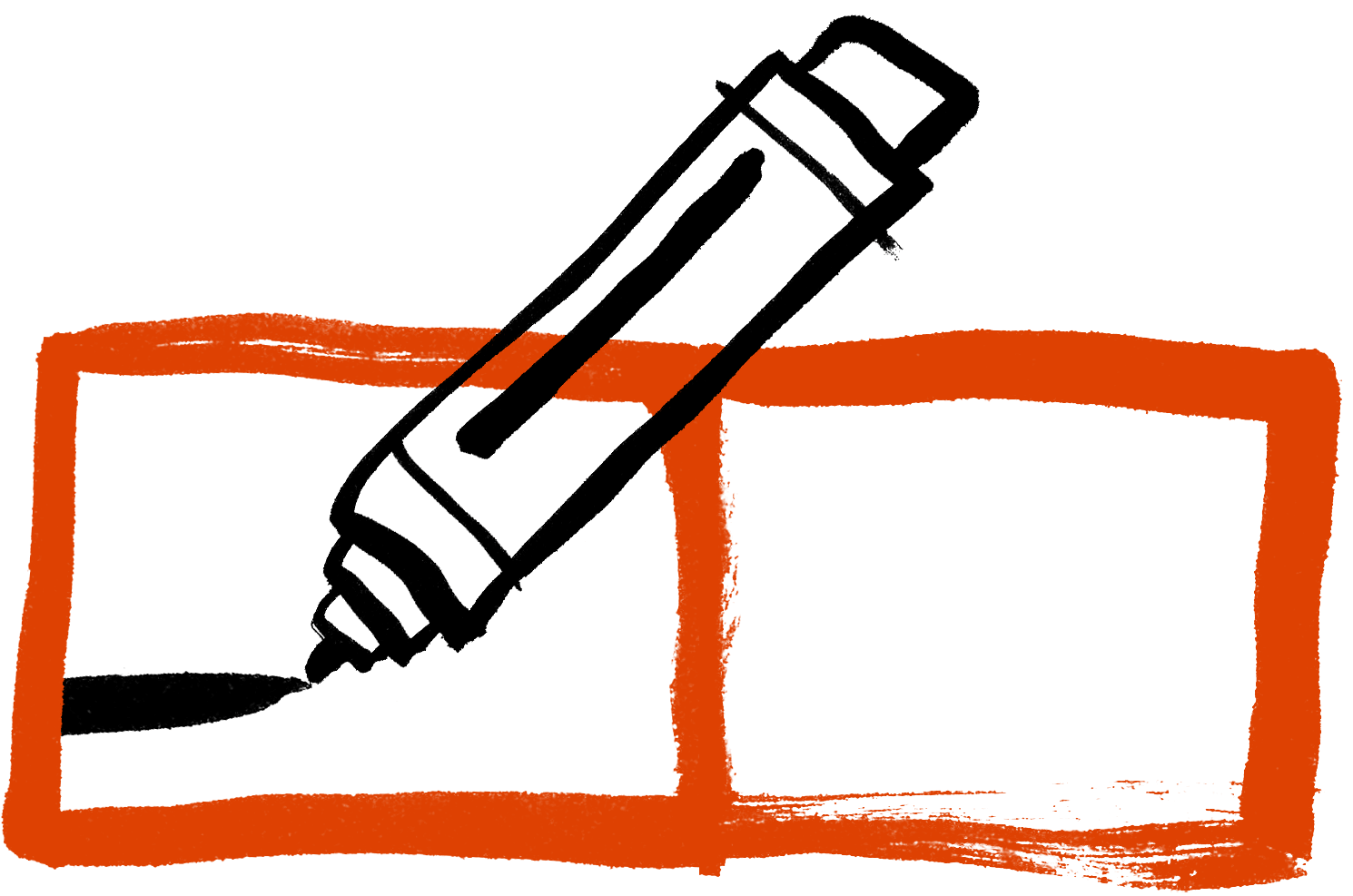
step 1 of 4 - INDIVIDUAL
Work on two horizontal A4 pieces of paper (see image to the left). Map out the project timeline of a recent project that you worked on. This timeline should include, from the left edge of the spread to the right:
- What you think/guess the reason for the brief was.
- How this brief reached you.
- The events/people/practices involved in making the work (including your role).
- What the end 'product' of the work was.
- And once the design project is released into the world, what happens?
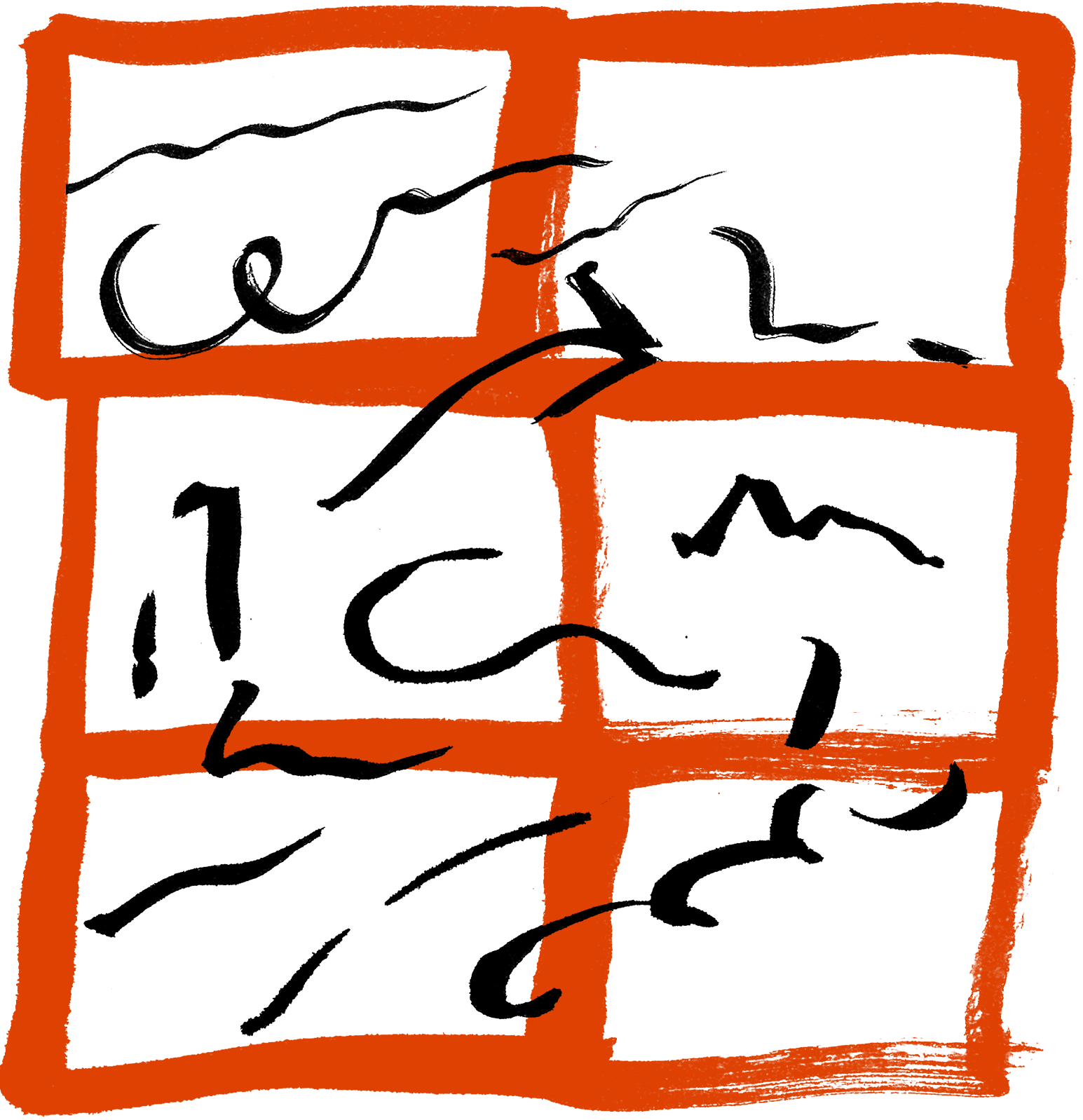
step 2 of 4 - Collaborative
(in groups of 2 to 4 people)
Lay your completed pages on your flat workspace in a column (see image to the right). Discuss and circle/highlight: what are the common elements across your projects, if any? Note these down by drawing arrows or circling these on the pages.

step 3 of 4 - INDIVIDUAL
Work on a new, single horizontal A4 piece of paper. Explore/map what impact this project might have 100 years from now on people and the planet. Choose one material/energy resource that was common in the design process/outcome, and read the entry for that resource in Materials and Internet in Graphic Design. Using this information, speculate:
- How far into the future does this material/energy use last?
- Does the project, as it currently stands, work towards the recapture, reuse, or reduction of that material/energy resource?
- Who will be responsible for the lasting impact of this project? Who will be affected by it?
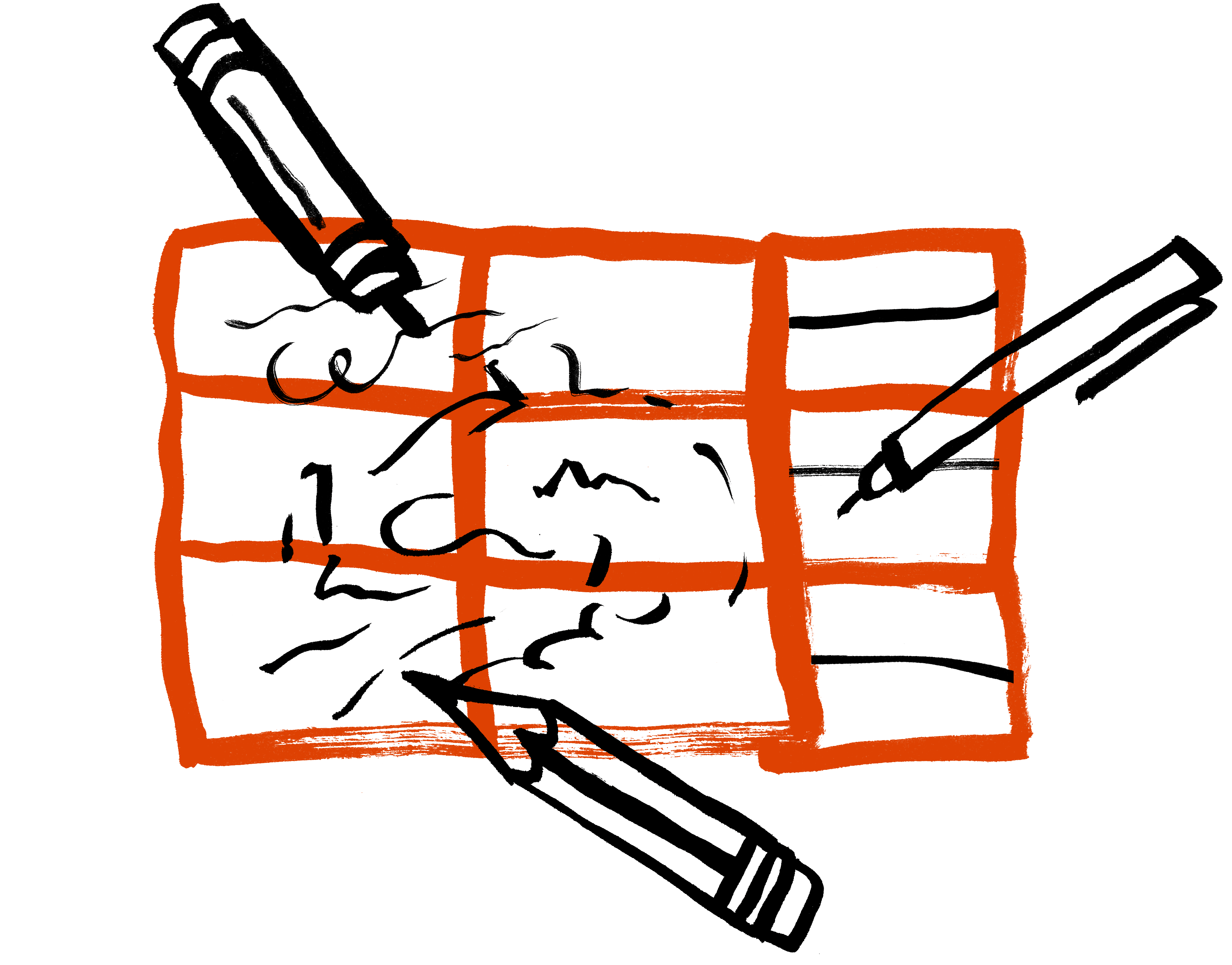
step 4 of 4 - collaborative
Lay these on your flat workspace in a column to the right of your previous (see image to the right). Discuss and circle/highlight:
- How people are prioritised or affected.
- How profits are prioritised or affected.
- How material and energy use is prioritised or affected.
Object of Care
30 Minutes
An object of care is something that you care about that might be affected by climate change or unsustainable practices. Examples include future generations, your pet(s), native animals that you like, your neighbourhood, your profession/role, a hobby, or a community group.
Step 1 of 1 - INDIVIDUAL
Create an image of your own object of care, using your creative skills in whatever way you wish. This should be on a new piece of paper or document. As your create, discuss these questions and make some notes around your finished image:
- How could you benefit your object of care through your design work/career?
- How does your design practice impact your object of care, now or in the future?
- How is your object of care affected by graphic design more broadly as an industry?
Community Building
30 Minutes
Step 1 of 3 - INDIVIDUAL
Using the community resource links as a jumping off point, spend 10 minutes researching what sustainability-minded communities exist in local in-person and online spaces. Make a list somewhere that you can look at later (perhaps on your phone) of any that are relevant to your practice, interests, or Object of Care.
Step 2 of 3 - INDIVIDUAL
Spend 10 minutes identifying a gap in the existing groups. What would you like to have access to that isn't currently available (in your short search)?
Step 3 of 3 - INDIVIDUAL
In your small groups (2-4 people) discuss what you've found and speculatively brainstorm a new sustainability community group (or an extension of an existing one) that addresses your identified gaps.

Values and Actions
10 Minutes
Step 1 of 1 - INDIVIDUAL
On your phone or something you will see at work, write your answers to these questions.
- What are two material/energy resources you commonly use at work? [i.e. paper and fuel]
- What are two words to describe your design values? [i.e. sustainable and playful]
- What design focus might best benefit your Object of Care in the long run? [i.e. work that educates others, or affects human interactions, or directs funds to a certain area, or minimises material waste]
Over the following work week, look at this list at the start and end of each day. Try to record how many times the values and actions you wrote down were part of your at work.
Next Steps
Share images of your workshop session or feedback with us at hello@betterworlds.now.